
Decide what you enjoy about soda
Before buying ingredients, name the part you would miss: bubbles, sweetness, a strong flavor, the cold can or simply a convenient drink with lunch. A replacement can address one of those without imitating everything. Plain sparkling water offers fizz. Chilled tea has flavor. A pitcher of water with fruit can make an ordinary glass feel more interesting. If convenience matters most, prepare the drink when you put away the groceries, not when you are already thirsty.
The CDC's drink-swap guidance suggests water, unsweetened sparkling water and fruit or cucumber slices as options when reducing sugary beverages. It also suggests a splash of 100% juice in sparkling water for someone who wants more flavor. Use that as a starting idea rather than a rule that every drink must taste like soda.
There is no need to change every drink in a day at once. You might keep a favorite soda for a planned occasion and use water or tea at another meal. A gradual shift is easier to judge: you can see which alternative you enjoy and whether it is practical to make again.
Make sparkling water feel like a proper drink
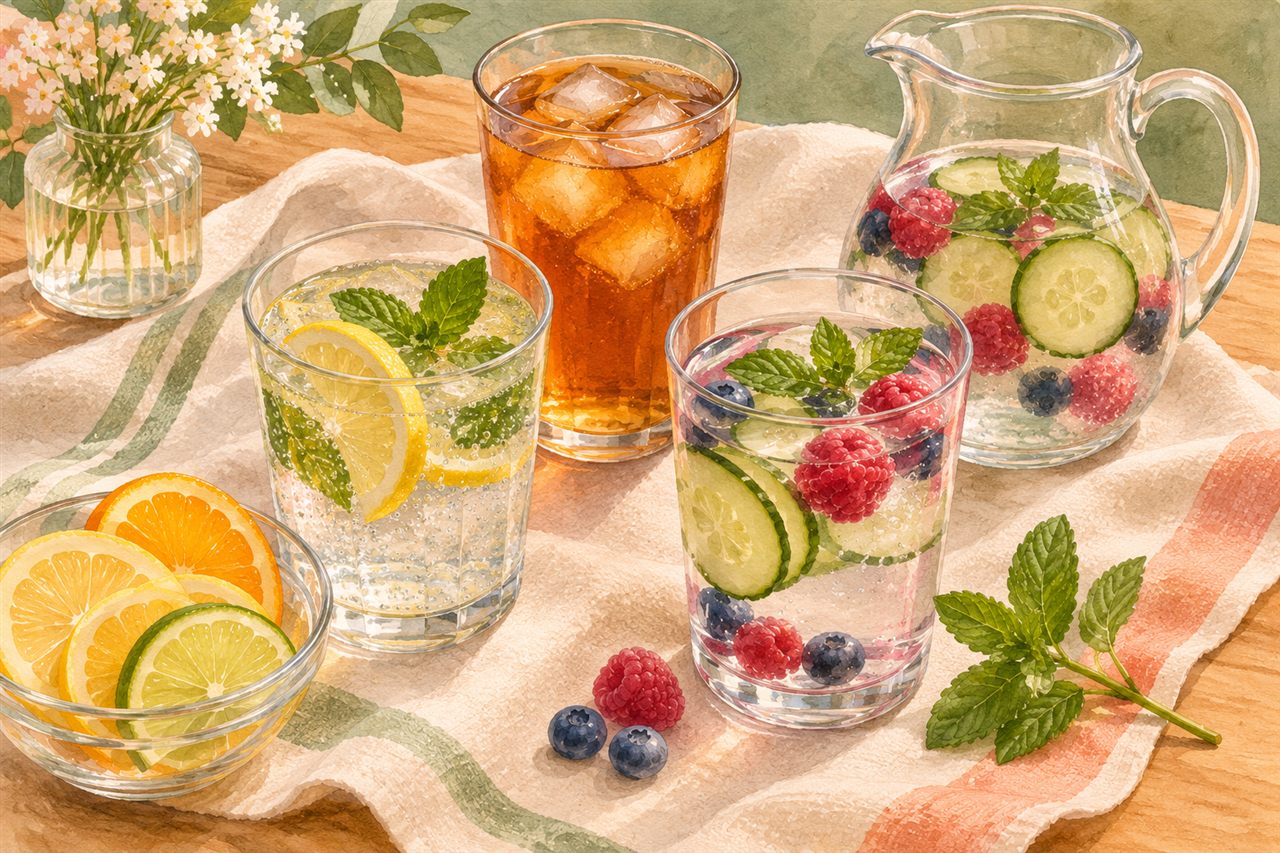
Pour plain sparkling water into a glass of ice and add a squeeze of lemon or lime. Mint leaves, cucumber slices or a few crushed berries change the aroma without requiring a syrup. Start with a small amount of flavor, taste and add more if you want it. A strong citrus squeeze can be sharp, especially with a very fizzy water.
For a fruitier glass, add a little 100% juice rather than filling the glass with juice. The CDC uses this as one example of a lower-calorie fizzy drink. The quantity is your choice, but it changes the sugar content, so do not describe a juice-heavy mix as sugar free. If you buy a flavored sparkling water, check the label: some are unsweetened, while others contain added sugar or sweeteners.
Keep the bubbles lively by pouring close to serving time. A large pitcher of sparkling water left uncovered will flatten. Prepare the fruit and glasses ahead, then add the sparkling water when people are ready. For a group, set the components out separately so each person can choose citrus, berries or plain water. The American Heart Association also suggests citrus and mint in plain or sparkling water.
Use tea when you want flavor without fizz
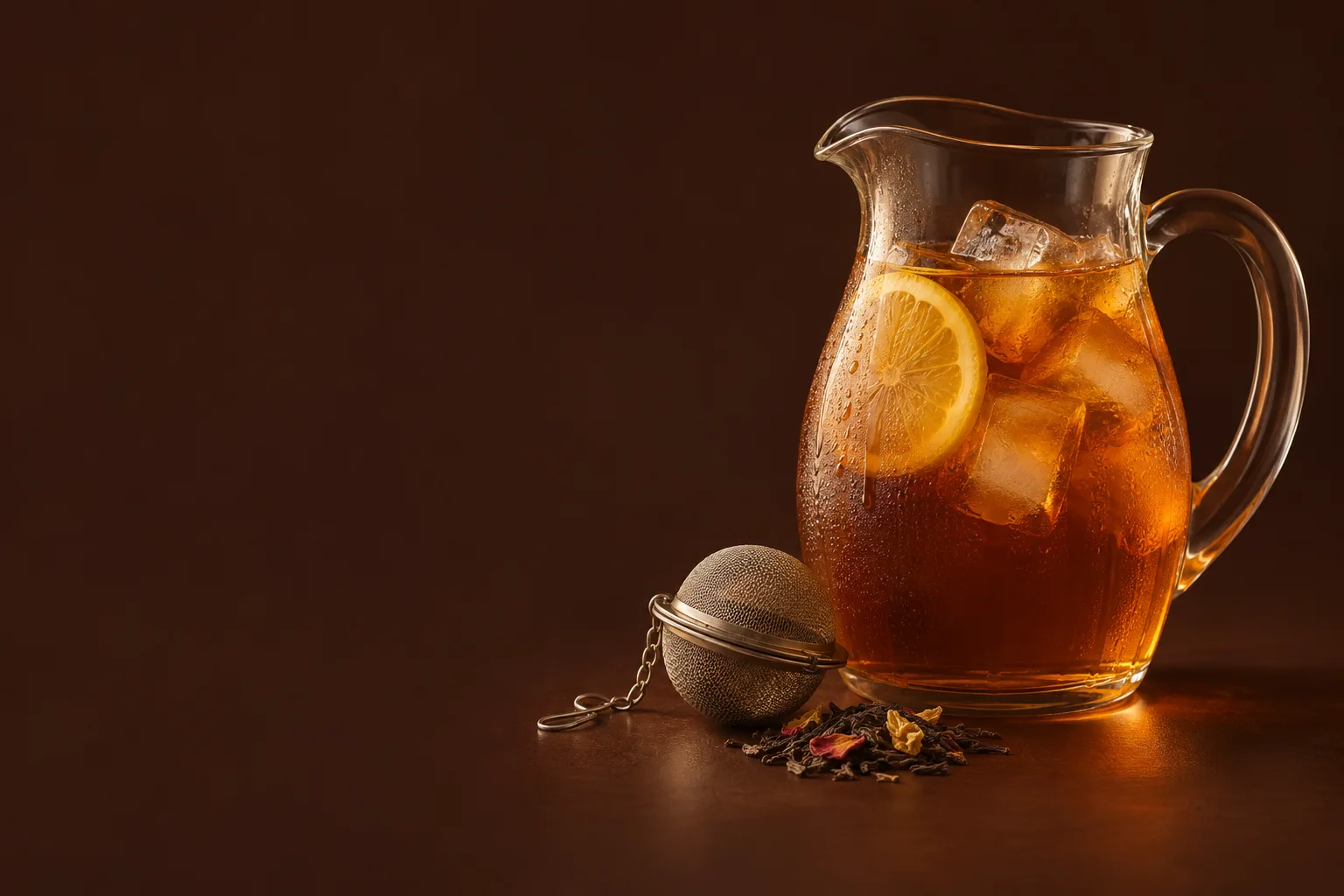
Unsweetened tea can be served hot or chilled. Brew it according to the tea package, then cool it safely and refrigerate it if you are making a pitcher for later. Add lemon, herbs or a few pieces of fruit after tasting the plain tea. Black, green and herbal teas differ in flavor and caffeine, so choose a type that suits the time of day and the people drinking it.
Start with a small pitcher until you know how quickly your household uses it. Label the container and keep it chilled. A glass of very sweet bottled tea may have as much added sugar as the soda you hoped to replace, so check the Nutrition Facts panel if you buy it prepared. The FDA explains how added sugars appear on that label, separately from total sugars.
For a movie night or meal, tea can sit beside sparkling and still water as one of several options. Our movie night snack plan shows how to set out food and drinks without spending the whole film in the kitchen. Keep chilled drinks cold and bring out smaller amounts when serving a group.
Try fruit-infused water with realistic expectations
Water with fruit is still mainly water with a gentle flavor. It will not taste like a bottled fruit soda unless you add juice or sweetener. Thin citrus slices, cucumber and berries make a pleasant cold pitcher; bruised mint releases more aroma than an untouched sprig. Wash fresh produce before it goes into the drink, use a clean pitcher and refrigerate it.
Infuse a small amount first. Lemon peel can turn bitter if it sits a long time, and delicate fruit can soften. Taste after a short chill and remove ingredients when the flavor suits you. Serve the drink with a spoon or strainer if you do not want floating fruit in every glass. Use the cut fruit while it is still appealing rather than leaving it in a pitcher indefinitely.
If you want a sweeter drink, add a measured amount of sweetener and be honest about it. Honey, sugar and syrups count as added sugars. The FDA's label explanation notes that added sugars include honey and syrups, even when the ingredient sounds more natural than white sugar. A homemade drink can be enjoyable without being described as a health product.
Read labels when choosing a ready-made option
Compare drinks per serving and per container. A bottle may contain more than one serving, so the number printed on the front is not always the amount you will drink. Look at added sugars as well as total sugars and note whether the product contains caffeine or a sweetener you prefer to avoid. The FDA's Nutrition Facts guidance explains the difference between total and added sugars.
Words like 'natural' or 'fruit flavored' do not tell you how sweet a drink is. Read the ingredient list and compare products you would actually use. A lightly sweetened tea might be a useful transition for someone who does not enjoy unsweetened tea yet. The American Heart Association suggests gradual changes for people who regularly drink sugary beverages.
If a person needs a medically specific drink plan, such as for diabetes, kidney disease or another condition, use advice from their clinician or dietitian rather than a general recipe article. Here the goal is to offer practical alternatives and clearer labels, not personal medical guidance.
Make the change easy to repeat
Place a clean water bottle or pitcher where you will see it. Keep citrus or mint ready if you reliably use it; otherwise, plain cold water may be the better everyday option. A complicated drink that needs five fresh ingredients may be fun for a weekend but less useful on a workday.
Choose one house drink for meals and one for a treat. For example, cold water with cucumber at lunch and a small sparkling citrus drink with dinner. If you prefer tea, brew a pitcher when you are already in the kitchen. Put the date on it and keep it refrigerated. The habit should fit your routine, not require a new appliance or a collection of syrups.
Review what happened after a week. If you miss the fizz, try sparkling water. If the replacement is too bland, adjust the flavor. If you are still buying soda because it is the only cold drink ready, fix the preparation step rather than blaming your taste. Small practical changes often matter more than a perfect recipe.
Soda alternative questions
Is sparkling water the same as soda?
It has bubbles, but plain sparkling water does not have the same flavor or added sugar as a regular sweetened soda. Flavored sparkling waters vary, so read the label. Add a little citrus or fruit if you want more aroma, and decide whether you enjoy the result on its own terms.
Does fruit juice make a drink sugar free?
No. Juice contains naturally occurring sugars, and a splash changes the amount in the glass. The CDC suggests a small splash of 100% juice in sparkling water as one option for flavor, not as a claim that the drink has no sugar. Use the amount that suits your preference and any personal dietary advice.
Can I use honey instead of sugar?
You can use it for flavor if you like it, but honey is an added sugar. Measure it as you would another sweetener and do not assume a honey-sweetened drink is unsweetened. If your aim is to reduce added sugar, try adjusting gradually.
What can I make for guests?
Offer plain still water, plain sparkling water and one flavored option. Put slices of citrus or herbs beside the glasses so people can choose. Label any sweetened pitcher and keep perishable garnishes chilled until serving. This gives guests choice without making a different recipe for each person.